
Is the canine blood type system the same as the human one?
No — canine blood types are completely different from human blood types, both in naming and biological behavior. Dogs do not use the human ABO or Rh systems. Instead, they …
No — canine blood types are completely different from human blood types, both in naming and biological behavior. Dogs do not use the human ABO or Rh systems. Instead, they …

Knowing the precise bloodtype is crucial for procedures such as surgery and bloodtransfusions, as well as for breeding planning; blood type incompatibility can easily trigger severe allergic or hemolytic reactions, endangering the cat’s life. The Ringbio Feline Blood Type Rapid Test Kit …

Cats have three main blood types — A, B, and AB — plus at least one additional blood group (Mik) identified more recently. So the simple answer is: Cats have …

Most cats recover from feline calicivirus (FCV) infection within 1–3 weeks, though recovery can range from 7–10 days in mild cases to several weeks (up to 6 weeks) in more …

🧬 Key Facts 📊 Estimated Prevalence 🧼 Risk Factors 🛡️ Reducing Risk So, while infection is possible, especially in outdoor or raw-fed cats, the actual risk of transmission to humans …

Symptoms of cat pancreatitis are divided into two types: acute and chronic.

Potentially fatal diseases for cats include feline infectious peritonitis (FIP), feline leukemia virus (FeLV), feline immunodeficiency virus (FIV), chronic kidney disease, heart disease, and cancer.
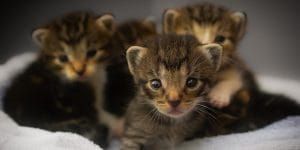
Feline calicivirus is one of the key factors causing upper respiratory tract infections and oral diseases in cats, and plays an important role in cat health problems.

Canine infectious hepatitis, caused by canine adenovirus-1 (CAV-1), isn’t specifically linked to any particular season, including winter. The virus spreads through contact with infected urine, feces, saliva, or objects contaminated …

Canine parainfluenza virus is a major respiratory infectious disease in dogs caused by canine parainfluenza virus. Clinical manifestations include fever, cough, runny nose, etc.