
What type of adenovirus is canine infectious hepatitis?
Canine infectious hepatitis is caused by canine adenovirus type 1 (CAV-1). 🦠 This virus targets the liver and can also affect other organs like the kidneys and eyes. It’s distinct …

Canine infectious hepatitis is caused by canine adenovirus type 1 (CAV-1). 🦠 This virus targets the liver and can also affect other organs like the kidneys and eyes. It’s distinct …

⏱️ The incubation period of canine parvovirus is typically 3 to 7 days after exposure. During this time: Once this phase ends, symptoms tend to appear suddenly and severely, especially …
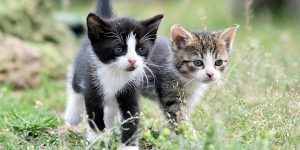
All three viruses pose significant health risks to cats, especially in multi-cat environments (e.g., shelters, catteries).
These three viruses are all serious threats to dogs, but they differ in how they affect the body, how deadly they are, and how easily they spread.
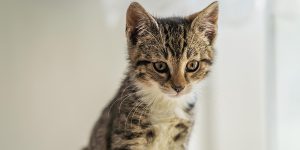
Cat fecal occult blood test is like a “microscope” for intestinal health, which is especially important for kittens and elderly cats.

If your dog is exhibiting any signs such as vomiting, diarrhea, or dark stools, it may need a fecal occult blood test to check for internal bleeding. Common Symptoms to …

Progesterone testing is one of the most advanced and accurate methods currently available to help determine the best breeding period for female dogs, thereby increasing conception rates and litter size.

Yes, dogs can recover from canine parainfluenza virus infection, though the severity of the illness and recovery time depend on factors like age and overall health. Most healthy adult dogs …
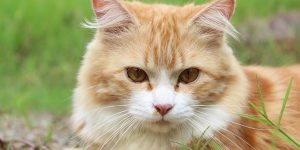
Feline infectious peritonitis (FIP) is mainly caused by feline coronavirus (FCoV). It is a chronic, persistent, and fatal viral disease.

Feline herpesvirus (FHV-1) infection in cats typically progresses through several stages: Once infected, cats remain carriers for life, with periodic flare-ups. 🐱 Ringbio’s Feline Herpesvirus FHV Ag Rapid Test Kit …